
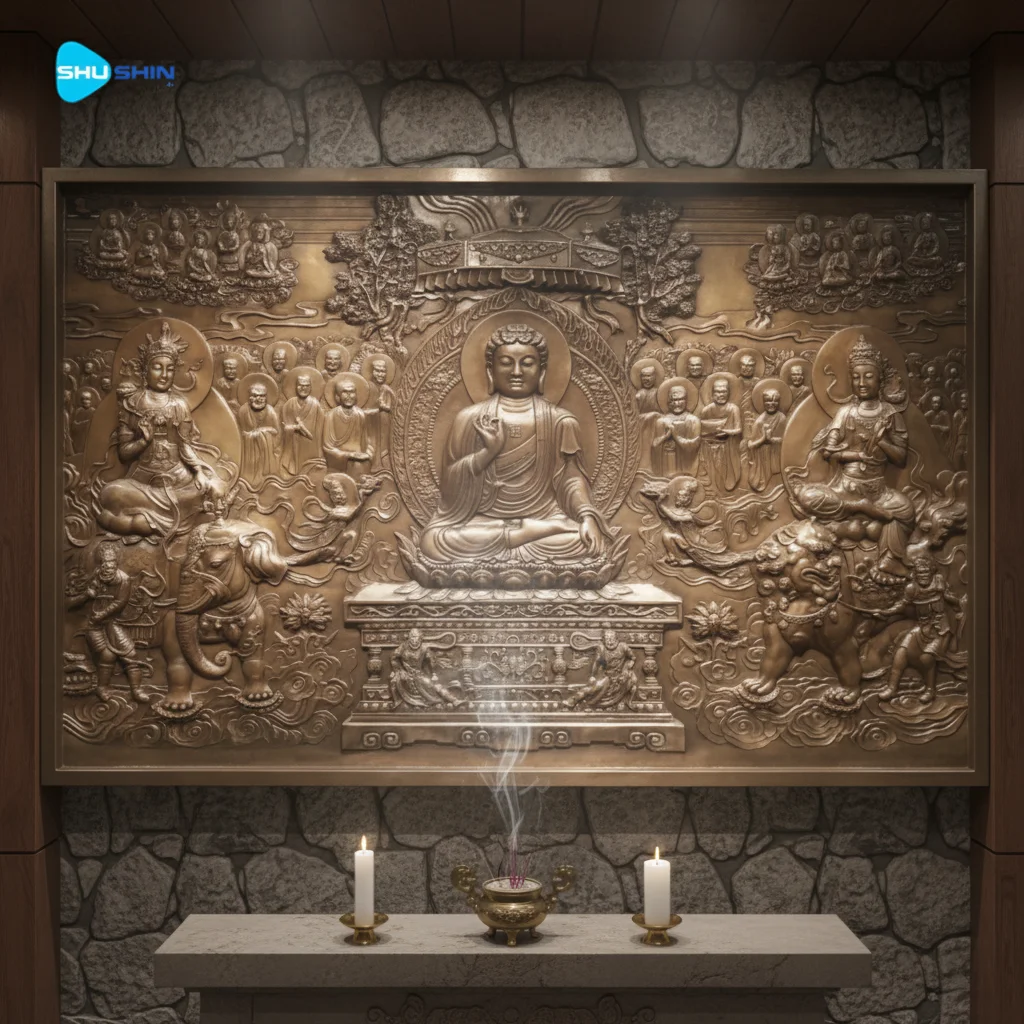
Interior bronze sculpture is a different product from outdoor bronze. The material is the same, the casting process is the same, but the design decisions, surface treatment, scale requirements, and installation considerations are fundamentally different. A bronze figure that commands attention in a sunlit garden plaza will look heavy and overbearing in a carpeted hotel lobby. A patina that develops beautifully outdoors will appear muddy under interior lighting.
This guide addresses the specific requirements of bronze sculpture in interior commercial spaces — hotels, corporate lobbies, luxury residential common areas, restaurants, and retail environments. It is written for interior designers, procurement managers, and project developers who need practical specification guidance, not art theory.
Scale and Proportion for Interior Spaces
The most common mistake in interior bronze sculpture selection is choosing work that is too large for the space. Interior sculpture must relate to the room’s ceiling height, floor area, and furniture scale — not the outdoor monument scale that bronze is often associated with.
Lobby and Reception Areas
For hotel lobbies and corporate reception areas with ceiling heights of 3-4 meters, the optimal sculpture height is 1.2-2.0 meters. This range provides visual presence without overwhelming the space or competing with architectural elements. A life-size figure (1.7-1.8 meters) works well in lobbies with clear sight lines from the entrance, provided the surrounding furniture and circulation space are proportioned to accommodate the sculpture’s visual weight.
For double-height lobbies (5-7 meters), sculpture heights of 2.5-4.0 meters are appropriate. At this scale, the sculpture becomes an architectural element rather than a decorative object, and should be integrated into the interior design from the earliest schematic phase.
Elevators and Corridors
Elevator lobbies and corridor niches require smaller-scale work — typically 40-80cm for wall-mounted pieces and 60-100cm for freestanding pieces on pedestals. The viewing distance in these spaces is short (2-5 meters), so surface detail and finish quality are more important than overall scale.
Bronze relief panels are particularly effective in elevator lobbies, providing visual interest without projecting into the circulation space. Relief depth of 3-8cm provides sufficient three-dimensional impact while maintaining the flat profile required for wall-mounted installation.
Restaurant and Bar Areas
Restaurant and bar environments present unique challenges: lower ceiling heights (2.5-3.5 meters), ambient lighting levels that may be significantly lower than lobby spaces, and close viewing distances (1-3 meters for seated guests). Bronze sculpture in these environments should be intimate in scale, rich in surface detail, and finished with warm patinas that complement the ambient lighting design.
Surface Treatment and Patina Selection
The patina — the chemical coloration applied to the bronze surface — is the single most important aesthetic decision for interior bronze sculpture. Unlike outdoor patina, which develops naturally over years of exposure, interior patina must be specified and applied during production, and it will remain essentially unchanged for the life of the piece.
Classic Brown Patina
The classic brown patina (hot chemical application using ferric nitrate) provides a warm, traditional appearance that works in virtually any interior context. This is the safest choice for projects where the sculpture must complement a range of design styles and lighting conditions. The brown patina reads as “bronze” to most viewers — it is the color that people expect when they think of bronze sculpture.
Dark Green Patina
The dark green patina (hot chemical application using cupric nitrate) provides a more contemporary, dramatic appearance. Green patina works well in modern interiors with cool color palettes, glass and steel architectural elements, and dramatic lighting schemes. The green patina is less forgiving of surface imperfections than brown — it highlights rather than conceals chasing marks and surface texture variations.
Golden Brown Patina
The golden brown patina (hot chemical application using a proprietary blend) provides a warm, luminous appearance that is particularly effective under warm interior lighting. This patina develops a subtle sheen over time as the surface is touched and polished by human contact — a quality that makes it ideal for sculpture in high-traffic areas where visitors interact with the work.
Natural Bronze (No Patina)
Natural bronze — polished or brushed to reveal the metal’s inherent warm gold color — provides a contemporary, luxurious appearance. The natural finish requires protective lacquer or wax to prevent oxidation, and must be maintained periodically to preserve its appearance. This is the highest-maintenance option but provides the most distinctive visual result.
Lighting Considerations
Interior bronze sculpture is dramatically affected by lighting design. The same piece can look warm and inviting under one lighting scheme and cold and lifeless under another. Lighting should be specified as part of the sculpture procurement process, not as an afterthought.
Directional Spotlighting
Directional spotlights (narrow beam, 15-30 degrees) create dramatic shadows that emphasize three-dimensional form and surface texture. This is the preferred lighting approach for figurative sculpture, where the play of light and shadow across the figure’s surface communicates volume and movement.
Spotlight color temperature should be 2700-3000K (warm white) for brown and golden patinas, and 3500-4000K (neutral white) for green patinas. Cool white (5000K+) lighting makes bronze appear cold and lifeless regardless of patina color.
Ambient Uplighting
Ambient uplighting (wide beam, 60+ degrees) provides even illumination that reveals the sculpture’s overall form without dramatic shadows. This approach works well for abstract and geometric bronze sculpture where the design is based on clean lines and smooth surfaces rather than complex three-dimensional form.
Wall Washing
For wall-mounted bronze reliefs and plaques, wall washing provides even illumination across the entire surface. The light source should be positioned above and in front of the relief to create subtle shadows that reveal the three-dimensional depth without creating harsh contrast.
Budget Planning for Interior Bronze
Interior bronze sculpture budgets vary significantly based on scale, complexity, and finish requirements. The following ranges reflect 2026 pricing for custom work from professional foundries.
Small Interior Pieces (30-60cm)
Small bronze sculptures for desk display, shelf mounting, or small pedestal installation: $800-$3,500. At this scale, the price is dominated by labor and overhead, with material cost representing a smaller percentage of the total. The per-unit cost is higher than larger pieces because fixed costs are spread across less material.
Medium Interior Pieces (60-150cm)
Medium-scale bronze sculptures for lobby display, corridor niches, and restaurant installation: $3,500-$15,000. This is the most common budget range for commercial interior bronze, providing sufficient visual impact for most commercial spaces without the exponential cost increase of larger scales.
Large Interior Pieces (150-300cm)
Large bronze sculptures for double-height lobbies, major commercial installations, and statement pieces: $15,000-$80,000. At this scale, structural engineering becomes a significant cost factor, and the sculpture typically requires custom pedestal or mounting system design.
Frequently Asked Questions
What size bronze sculpture works for a hotel lobby?
For standard hotel lobbies with 3-4 meter ceiling heights, bronze sculptures in the 1.2-2.0 meter range provide optimal visual impact. For double-height lobbies (5-7 meters), sculptures of 2.5-4.0 meters are appropriate. The sculpture should occupy 15-25% of the lobby’s visual field from the primary viewing angle.
How do I choose the right patina for interior bronze?
Match the patina to the interior design palette: classic brown for traditional and transitional interiors, dark green for contemporary and modern spaces, golden brown for warm-toned environments with ambient lighting. When in doubt, classic brown is the most versatile choice — it complements virtually any interior design style.
Do interior bronze sculptures require maintenance?
Interior bronze requires minimal maintenance: dusting with a soft cloth every 2-4 weeks, and annual inspection of protective coating (lacquer or wax) for high-touch pieces. Natural bronze finishes require more frequent maintenance (every 3-6 months) to prevent oxidation. Patinated finishes are essentially maintenance-free.
Can bronze sculpture be integrated with lighting design?
Yes — and it should be. Lighting design should be specified as part of the sculpture procurement process. We provide lighting specification recommendations with every interior bronze quotation, including beam angles, color temperatures, and fixture placement guidance.
Related Resources
- Custom Bronze Sculptures — Our lost-wax bronze foundry capabilities
- Bronze Figure Collection — Figurative bronze for interior installation
- Bronze Abstract Collection — Contemporary abstract bronze
- Stainless Steel Sculpture Guide — Alternative material for contemporary interiors
- Request an Interior Bronze Consultation — Submit your project for a specification review