
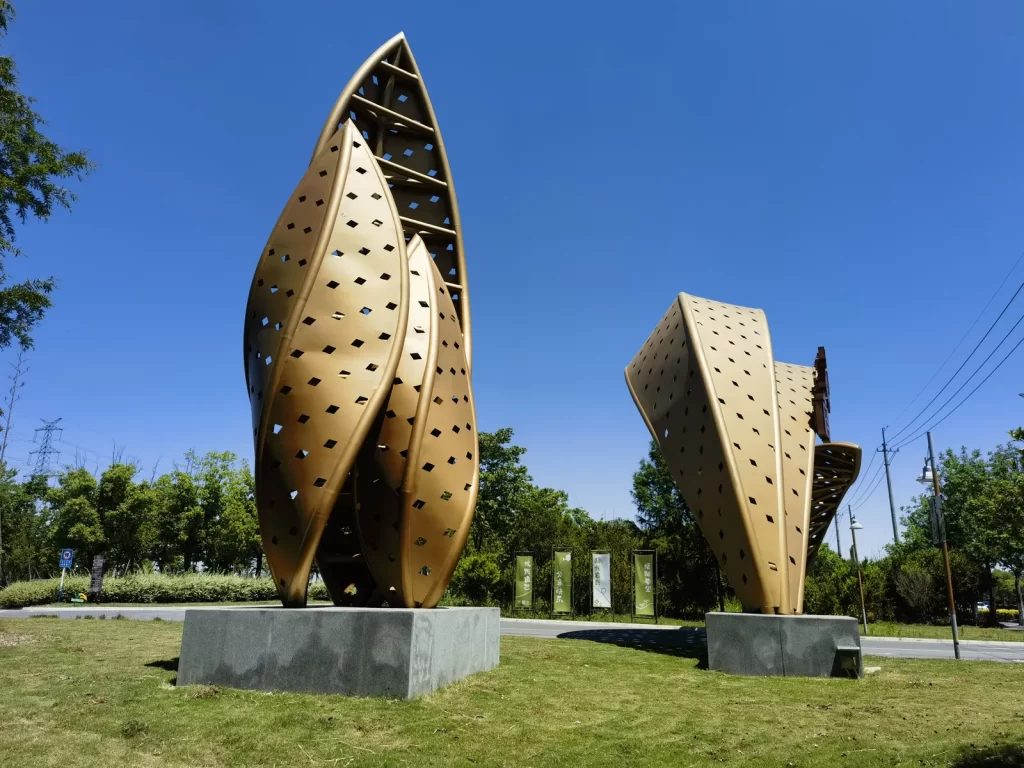
When you’re planning to purchase a large sculpture for an outdoor project — whether it’s a bronze statue for a public park, a stainless steel sculpture for a hotel garden, or a marble fountain for a private villa — one of the first questions that comes up is: How will it get there, and how will it be installed?
It’s a fair question. Large sculptures aren’t like furniture you can order online and carry inside. They’re heavy, often fragile, and sometimes taller than a person. They need to survive overseas shipping, arrive in one piece, and then be positioned and anchored correctly so they don’t shift, tilt, or fall.
This guide walks you through the entire process — from how we package a sculpture for international shipping, to customs clearance, to what happens on installation day. The goal isn’t to overwhelm you with logistics jargon, but to help you understand what’s involved so you can plan your project with fewer surprises.
Large outdoor sculptures require protective crating, route planning, site access checks, and coordinated installation preparation. Transit time varies by destination, shipping method, customs clearance, and site readiness. Before shipment, buyers should confirm delivery access, unloading support, foundation readiness, and installation requirements with the sculpture supplier.
Key Takeaways
- Plan shipping and site access before production is finalized — unresolved site constraints can cause delays later in the process.
- Confirm site access, unloading equipment, and ground conditions early — these factors affect delivery logistics and should be discussed during project planning.
- Use professional packaging for fragile surfaces — bronze, marble, and stainless steel each require different wrapping and crating methods for international shipping.
- Coordinate foundation readiness before the sculpture arrives — the foundation should be ready before delivery to avoid storage or delay issues.
- Share site photos, delivery location, and installation conditions with your supplier before shipment — this helps confirm a suitable approach for your project.
Understanding Large Sculpture Logistics
Why Large Sculptures Require Professional Logistics Planning
A 2-meter stainless steel sculpture might weigh 300–500 kg. A solid marble sculpture of similar size can easily exceed 800 kg. These aren’t items you can load into a standard delivery truck.
Several factors make large sculpture logistics different from normal freight:
- Size and weight: Oversized cargo needs special containers, flatbed trucks, or open-top containers.
- Fragility: Bronze and marble can crack if subjected to sharp impacts. Stainless steel can dent or scratch.
- Value: Large sculptures often represent significant investments. Insurance and careful handling aren’t optional.
- Destination constraints: A sculpture going to a rooftop bar in Dubai faces different challenges than one going to a public park in California.
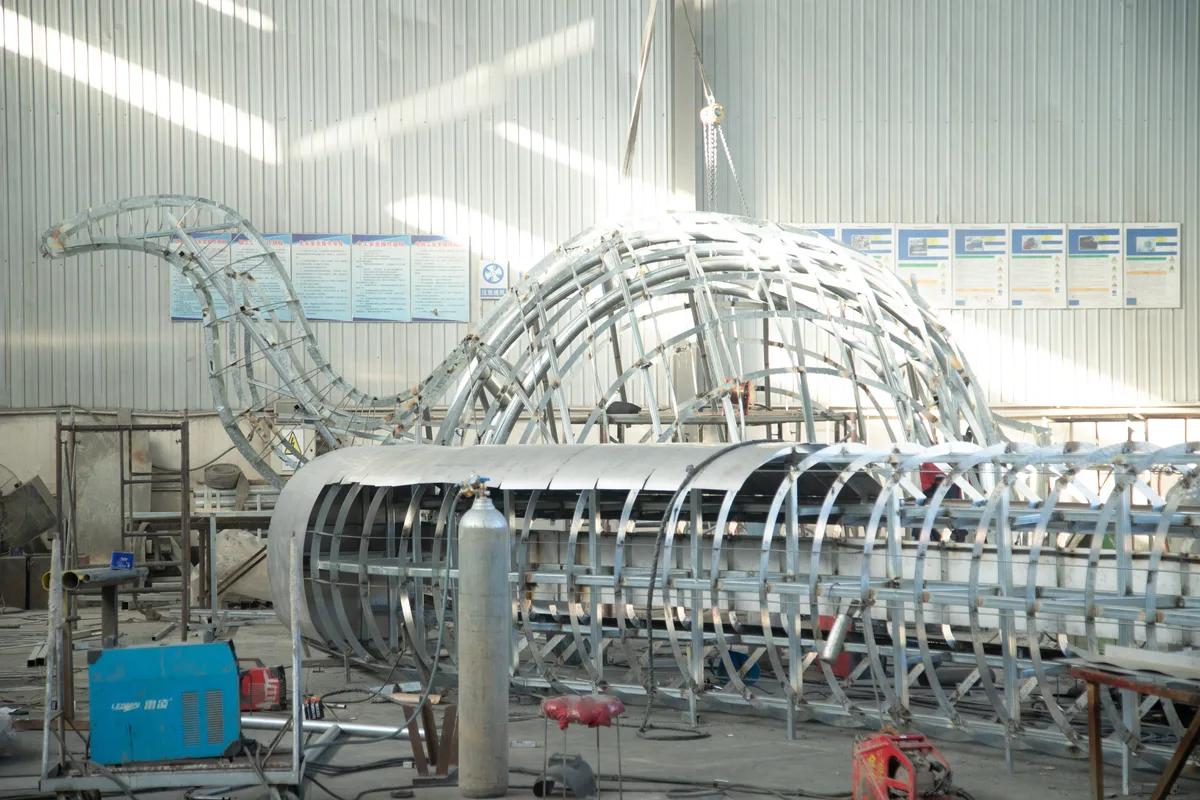
At Shushin Art, we’ve been manufacturing and shipping sculptures internationally for over 50 years, primarily from our workshop in Quyang, Hebei — a region known for stone and metal sculpture craftsmanship. Over time, we’ve developed packaging and shipping workflows that account for the realities of long-distance transport.
Key Factors That Affect Shipping and Installation
When we discuss a shipment with a buyer, these are the variables we look at first:
- Sculpture material — Bronze, stainless steel, and marble each have different packaging and handling requirements.
- Dimensions and weight — These determine the container size, truck type, and whether a crane is needed at delivery.
- Destination country — Import regulations, duties, and port infrastructure vary significantly.
- Installation site access — Can a truck reach the site? Is there space for a crane? Is the ground level and strong enough to support the sculpture’s weight?
- Incoterms — Whether the price includes delivery to your door (DDP), to the destination port (CIF), or to our factory (EXW) changes what you’re responsible for.
We’ll go through each of these in more detail below.
Professional Packaging and Crating
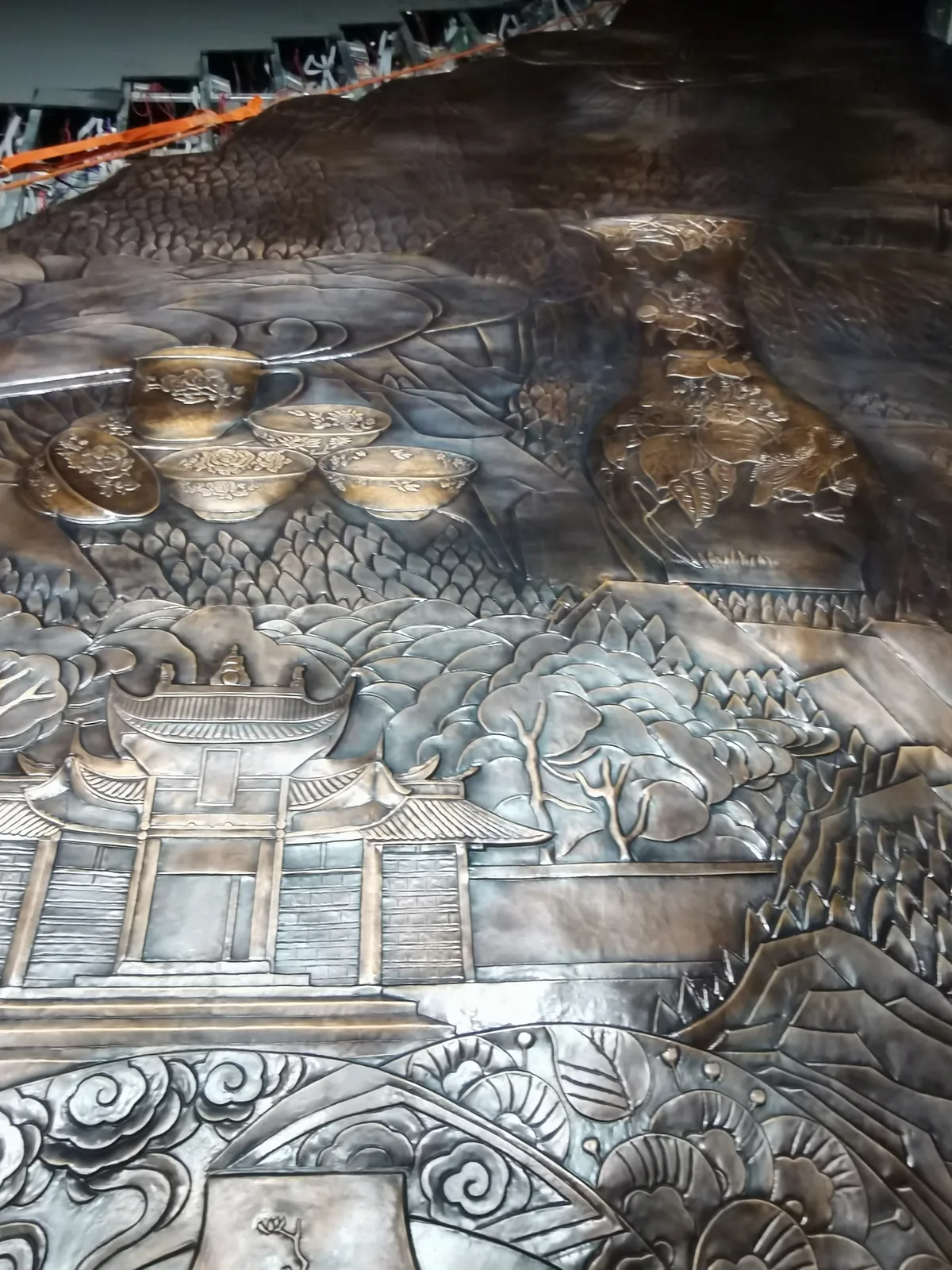
Packaging is the part buyers rarely see, but it’s the most important step in preventing damage. We’ve seen too many sculptures arrive with cracks or dents because they were packaged for standard handling, not for the realities of international shipping.
Protective Wrapping and Surface Protection
Before anything goes into a crate, the sculpture itself is prepared:
- Bronze sculptures: The surface is wrapped in soft foam or bubble wrap, then covered with a protective layer to prevent tarnishing during transit. Patina finishes are particularly sensitive to moisture and abrasion.
- Stainless steel sculptures: The surface is protected with foam and then a layer of cardboard or corrugated plastic to prevent scratches. For mirror-finish pieces, we add an extra layer of protection because even small scratches are visible.
- Marble sculptures: Marble is wrapped in thick foam, then covered with a moisture barrier. Because marble can chip at the edges, extra padding is added to corners and protruding details.
For all materials, we use non-abrasive wrapping. We don’t use materials that leave residue on the sculpture surface.
Custom Wooden Crates and Steel Frames
Most large sculptures are shipped in custom-built wooden crates. The crate is designed around the sculpture’s shape — it’s not a one-size-fits-all box.
The process:
- Measure the sculpture in every dimension, including any protruding parts.
- Build a wooden frame that leaves at least 10–15 cm of clearance on all sides.
- Line the crate interior with foam or soft wood to absorb vibration.
- Secure the sculpture inside the crate using steel brackets, bolts, or custom-fitted wood braces. The goal is to make sure the sculpture cannot shift inside the crate, even if the crate is dropped or tilted.
- Add a moisture barrier — typically a plastic sheet or desiccant bags to control humidity inside the crate.
For very large or complex sculptures, we sometimes build a steel frame inside the wooden crate for additional structural support. This is common for sculptures over 500 kg or with irregular shapes.
All wooden crates used for international shipping are built with ISPM 15 compliant wood (heat-treated and stamped). This is a requirement for most countries to prevent pest transmission.
Moisture, Vibration, and Impact Protection
International shipping exposes cargo to multiple stress factors:
- Moisture: Ocean freight containers can experience condensation, especially on long voyages. We use desiccant bags inside the crate to absorb moisture.
- Vibration: Container ships experience constant low-frequency vibration. Foam padding and tight bracing minimize the impact.
- Impact: Forklifts, cranes, and rough handling at ports can cause sudden impacts. The crate is built to absorb these forces so the sculpture doesn’t.
We also mark crates with clear handling labels: “FRAGILE,” “THIS SIDE UP,” and “KEEP DRY.” It doesn’t guarantee careful handling, but it helps.
Choosing the Right Shipping Method
Sea Freight for Large Sculpture Projects
For most large sculptures, sea freight is the standard choice. It’s cost-effective for heavy, oversized cargo and can accommodate custom crates that wouldn’t fit on a plane.
How it works:
- The crate is loaded into a shipping container at our facility or a nearby port (typically Tianjin or Qingdao).
- For very large crates, we use flat-rack containers (open-sided) or open-top containers.
- The container is loaded onto a cargo ship and transported to the destination port.
- Transit times vary by destination: 20–35 days to major ports in North America and Europe, 15–25 days to Southeast Asia and the Middle East.
What buyers need to know:
- Sea freight is slower than air freight, but much more economical for heavy sculptures.
- You’ll need to arrange customs clearance at the destination port (unless you’ve agreed to DDP terms).
- Once the container arrives, you’ll need a truck (and possibly a crane) to transport the crate from the port to the installation site.
Air Freight for Urgent Small or Medium Pieces
Air freight is faster but significantly more expensive — typically 5 to 10 times the cost of sea freight by weight. It’s usually only practical for:
- Smaller sculptures (under 100–150 kg)
- Urgent projects with tight deadlines
- High-value pieces where speed reduces risk
Limitations:
- Air freight has stricter size and weight limits than sea freight.
- Not all airports have the equipment to handle heavy or oversized cargo.
- The sculpture still needs to be carefully crated — air pressure changes and rough baggage handling are real risks.
We generally recommend air freight only when a project timeline makes sea freight impractical.
Inland Transportation and Final Delivery
Getting the sculpture from the destination port to the installation site is often the most logistically complex part of the process.
Factors to consider:
- Road access: Can a truck reach the site? Some projects — particularly in remote areas or on islands — require barges or smaller vehicles.
- Unloading equipment: Does the delivery site have a forklift or crane? If not, we can help arrange one locally, but it needs to be planned in advance.
- Permits: Oversized loads sometimes require special permits for road transport, particularly in urban areas.
Before final delivery, buyers should confirm whether a forklift, crane, or unloading assistance is available at the installation site.
This is something we discuss during the project planning phase. It’s much easier to solve these problems before the sculpture is already on a truck headed to your location.
Customs Clearance and Import Documents
Commercial Invoice and Packing List
Every international sculpture shipment includes:
- Commercial Invoice — Details the sculpture description, value, and terms of sale. Customs authorities use this to assess duties and taxes.
- Packing List — Lists the crate dimensions, weight, and contents. This helps customs verify that the shipment matches the invoice.
- Certificate of Origin — Certifies that the sculpture was manufactured in China. Some countries require this for duty assessment or trade agreement eligibility.
- Bill of Lading (B/L) — The contract between the shipper and the carrier. It serves as a receipt and a document of title.
We prepare all of these documents and can provide them in advance so you or your customs broker can review them before the shipment arrives.
Material Declaration and HS Code Support
Different sculpture materials may be classified under different Harmonized System (HS) codes, which affect import duties.
- Bronze sculptures are typically classified under HS codes for articles of base metal.
- Marble sculptures are classified under HS codes for articles of stone.
- Stainless steel sculptures have their own classification under metal articles.
We can provide the appropriate HS code information for your sculpture to help your customs broker or import agent assess duties accurately. However, import duty rates vary by country and change over time — we always recommend confirming with a local customs broker.
DDP, CIF, and Buyer Responsibilities
Incoterms (International Commercial Terms) define who is responsible for what during shipping. The three most common for sculpture shipments are:
- EXW (Ex Works): You’re responsible for everything from our factory onward — pickup, shipping, customs, delivery. This gives you the most control but also the most responsibility.
- CIF (Cost, Insurance, and Freight): We arrange and pay for shipping to the destination port, but you’re responsible for customs clearance, duties, and delivery from the port to the installation site.
- DDP (Delivered Duty Paid): We handle everything — shipping, insurance, customs clearance, and delivery to your specified address. You don’t deal with freight forwarders or customs brokers.
DDP is the most convenient for buyers, but it’s not available to all countries. Customs regulations, import restrictions, and logistics infrastructure vary. We’ll tell you upfront if DDP is an option for your location.
If DDP isn’t available, we typically ship CIF to the destination port and can help you arrange the final leg of delivery through a local partner or freight forwarder.
Site Preparation Before Installation
Foundation and Ground Conditions
Before the sculpture arrives, the installation site needs to be ready.
For permanent outdoor installations, most sculptures require a concrete foundation. The foundation needs to:
- Support the sculpture’s weight (including wind load for tall pieces)
- Be level
- Be anchored to the ground (typically with embedded steel bolts)
We provide foundation drawings for every sculpture that requires one. These drawings specify the foundation dimensions, bolt positions, and concrete strength requirements. Your local contractor can use these to pour the foundation before the sculpture arrives.
For smaller sculptures or temporary installations, a reinforced concrete pad or heavy-duty pedestal may be sufficient.
Access for Trucks, Cranes, and Forklifts
On delivery day, the sculpture will arrive on a truck. Getting it from the truck to its final position requires planning.
Questions to answer beforehand:
- Can a truck reach the installation site, or is there a gate or road width limitation?
- Is there space for a crane to position and operate safely?
- If a forklift is used, is the ground surface strong enough to support it?
- Are there overhead power lines or tree branches that limit crane height?
We’ve had projects where the sculpture arrived but couldn’t be delivered because the access road was too narrow for the truck. It’s better to identify these issues beforehand.
Unloading Assistance and Equipment Planning
Before final delivery, buyers should confirm whether a forklift, crane, or unloading assistance is available at the installation site.
If you don’t have equipment locally, we can often help coordinate with equipment rental companies near the delivery address. This is easier to arrange in advance than on the day of delivery.
For large sculptures, crane rental is typically required. The crane size depends on the sculpture weight and the lifting distance. We can provide the specifications your crane operator will need.
Step-by-Step Outdoor Sculpture Installation
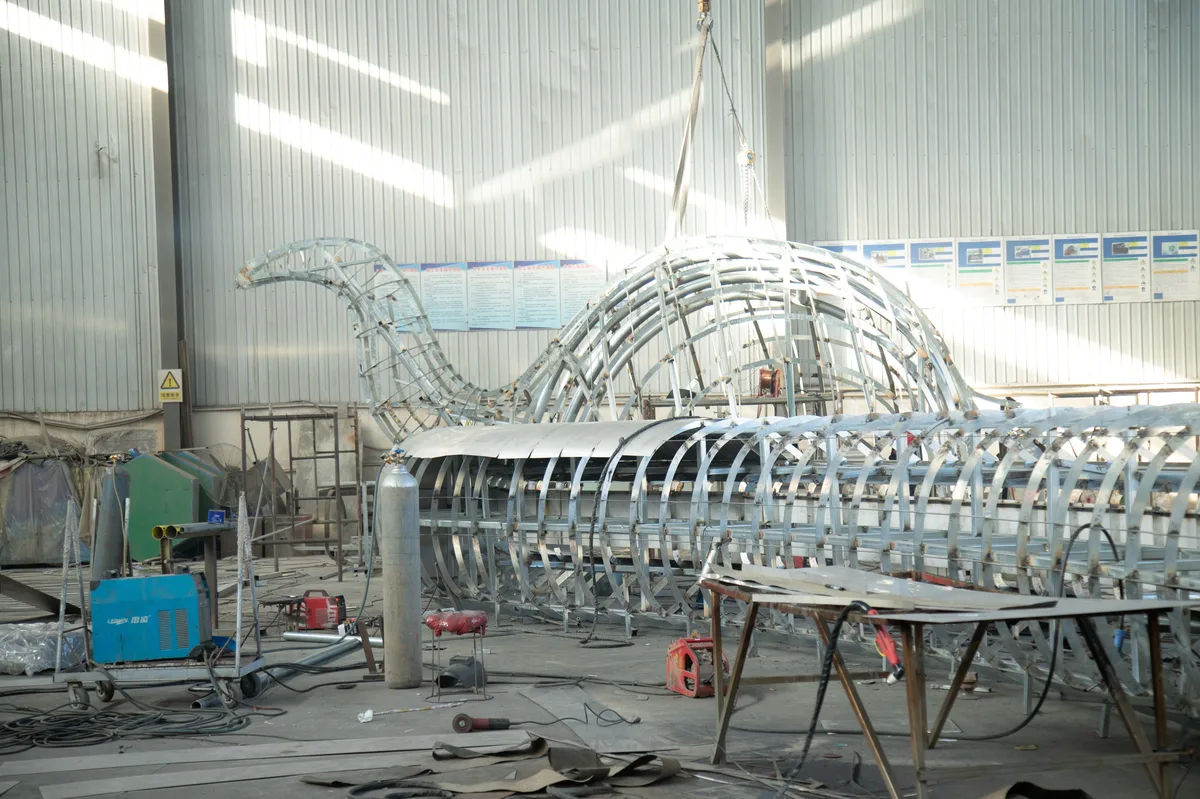
Inspection After Arrival
When the crate arrives at the site, the first step is inspection.
- Check the crate exterior for visible damage during transit.
- Document any damage with photos before opening the crate.
- Open the crate carefully — we provide unpacking instructions with each shipment.
- Inspect the sculpture for any damage that may have occurred during shipping.
If damage is found, contact us immediately. We’ll work with you and the insurance company to resolve the issue. That’s why we recommend all-risk insurance coverage for international sculpture shipments.
Positioning and Lifting
Once the sculpture is inspected and cleared, it’s time to position it.
For smaller sculptures (under 100 kg), this may be done by hand or with a forklift.
For larger sculptures:
- Attach lifting slings or brackets to the sculpture at designated lifting points. We mark these points clearly before shipping.
- Use a crane to lift the sculpture slowly and carefully.
- Position the sculpture over the foundation or mounting point.
- Lower it gradually, checking alignment as it descends.
This step requires coordination between the crane operator, the installation team, and (often) the project manager or buyer on-site.
Anchoring, Welding, or Fixing Methods
Once the sculpture is in position, it needs to be secured.
Methods vary by material and installation type:
- Stainless steel sculptures: Often bolted to a steel base plate that’s welded or bolted to embedded foundation bolts. For some installations, additional welding is done on-site for extra stability.
- Bronze sculptures: Typically bolted to a foundation. Bronze is heavy and stable, but in public spaces or high-wind areas, additional anchoring may be required.
- Marble sculptures: Usually anchored with stainless steel brackets embedded in the foundation and attached to the sculpture base. Marble isn’t bolted directly (it can crack), so the attachment is typically to the base or a hidden structural element.
We provide detailed installation drawings that show exactly how the sculpture should be anchored. In some cases, we can arrange for a technician to travel to the site for complex installations.
Final Surface Inspection and Cleaning
After installation, the final steps are:
- Inspect the surface — Check for any scratches, marks, or damage that may have occurred during installation.
- Clean the sculpture — Remove any protective film, tape, or packaging residue.
- Apply protective coating (if applicable) — Some bronze sculptures benefit from a protective wax coating after installation.
- Final walkthrough — Review the installation with the buyer or project manager to confirm everything is correct.
At this point, the sculpture is installed and ready to be enjoyed.
Risk Management and Insurance
Transport Insurance
We strongly recommend insurance for every sculpture shipment. The cost is typically 0.3%–0.5% of the sculpture value for all-risk coverage.
All-risk insurance covers damage or loss during transit, including during ocean freight, trucking, and installation. It doesn’t cover pre-existing damage or normal wear and tear, but it does provide protection against the most common shipping risks.
If you’re buying under CIF or DDP terms, we can arrange insurance on your behalf. If you’re buying under EXW terms, you’ll need to arrange your own coverage.
Damage Prevention
Preventing damage is always better than dealing with it after the fact. Our approach:
- Over-pack, don’t under-pack — A slightly oversized crate is far less costly than repairing a damaged sculpture.
- Use experienced freight forwarders — We work with forwarders who have experience handling art and sculpture, not just general cargo.
- Track the shipment — We provide tracking information so you can monitor the shipment’s progress.
- Communicate — We keep buyers informed at each stage: production completion, crating photos, shipping date, and estimated arrival.
Communication During Production and Shipping
One of the most common concerns buyers have is not knowing where their sculpture is. We address this by:
- Sending production progress photos at key stages (modeling, casting/fabrication, finishing)
- Sending crating photos before shipping
- Providing the bill of lading and tracking number once the shipment departs
- Checking in after estimated delivery to confirm arrival
If there’s a delay — weather, port congestion, customs hold — we’ll let you know as soon as we know.
How Shushin Art Supports Large Sculpture Projects
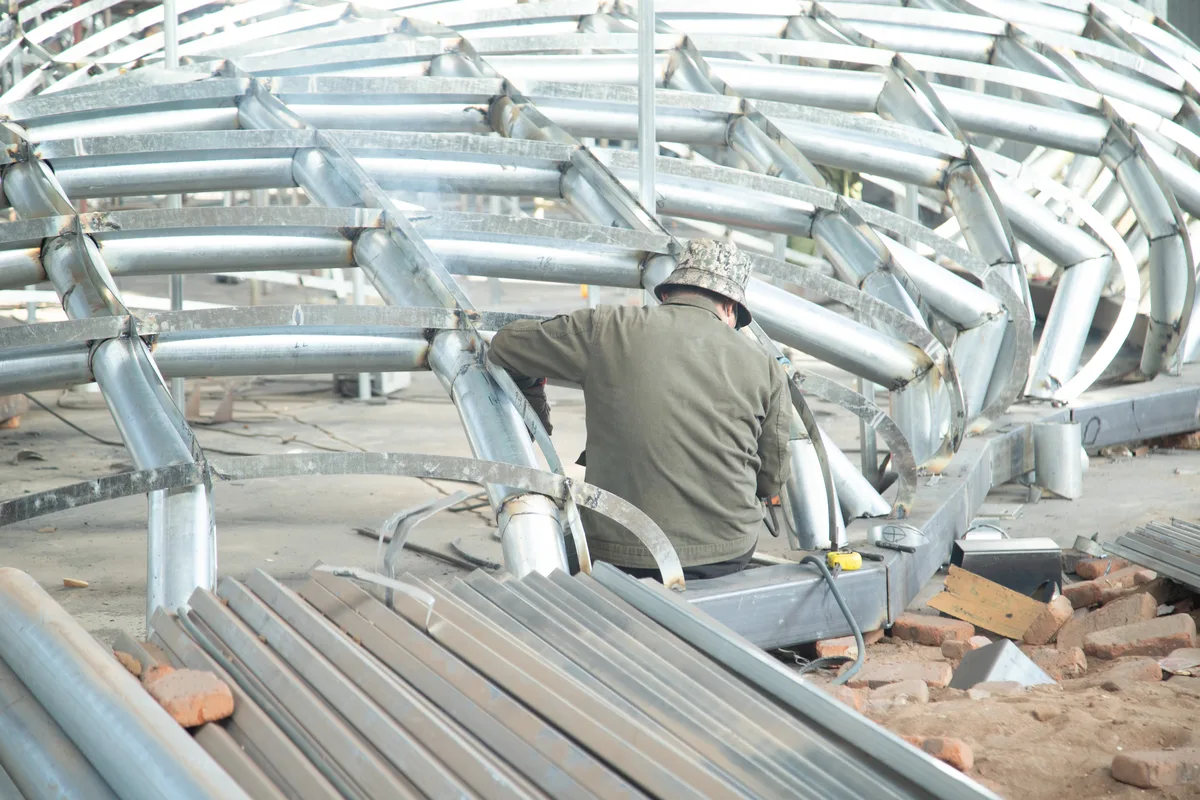
Packaging Design
We don’t use standard boxes. Every sculpture crate is designed for that specific piece — its shape, weight, and fragility points.
For complex or high-value sculptures, we sometimes do a mock pack (packing the sculpture in the crate without sealing it) so we can verify clearance and bracing before final sealing.
Shipping Coordination
We work with freight forwarders who specialize in art and sculpture transport. They understand that a sculpture isn’t a pallet of electronics — it needs careful handling at every transfer point.
We also help buyers navigate the logistics of international shipping: which documents are needed, what to expect at customs, and how to arrange the final delivery from the port.
Installation Guidance
Every sculpture shipment includes:
- Foundation drawings (for permanent installations)
- Installation drawings (showing anchoring methods)
- Unpacking instructions
- Maintenance recommendations (how to clean and care for the sculpture)
For complex installations, we can provide remote guidance via video call, or arrange for a technician to travel to the site if needed.
After-Sales Support
Our relationship with buyers doesn’t end at delivery. If you have questions about cleaning, maintenance, or potential relocations, we’re available to help.
Bronze sculptures may develop patina over time — this is normal and often desirable, but we can advise on whether a particular change is expected or needs attention.
Stainless steel sculptures in coastal areas may need periodic cleaning to prevent surface discoloration. We provide care guidelines for each sculpture.
Conclusion
Many garden sculptures for villas, resorts, and landscaped public spaces require the same planning for access, foundation, and unloading equipment.
For garden-specific projects, our garden sculpture placement guide covers drainage, visibility, and landscaping integration.
Shipping and installing a large outdoor sculpture involves more steps than most buyers expect. But it’s also a manageable process when it’s planned properly.
The most important things you can do as a buyer:
- Ask questions early — The more we know about your project location, site access, and timeline, the better we can plan.
- Prepare the site in advance — Foundation work, access clearance, and equipment booking all take time.
- Don’t leave customs and delivery to the last minute — These can take longer than expected, particularly in countries with complex import procedures.
- Work with experienced partners — Freight forwarders, crane operators, and installers who have handled sculptures before will save you time and reduce risk.
Every project location is different. Road access, unloading conditions, crane availability, and foundation readiness vary by site. Send us your project details — sculpture size, material, delivery city or ZIP code, and site photos if available. We’ll review the site access requirements and suggest a suitable shipping and installation approach for your project.